
What a paper diary really costs a salon
A salon loses money twice over: when the phone rings mid-cut, and when the ten o’clock client simply does not turn up. The TERMIN demo shows how both costs disappear.

When the spreadsheet runs out of room
Ten technicians in the field, three people in the office, everyone with their own copy of the truth. The TAKT demo shows what changes when every job gets a single home.
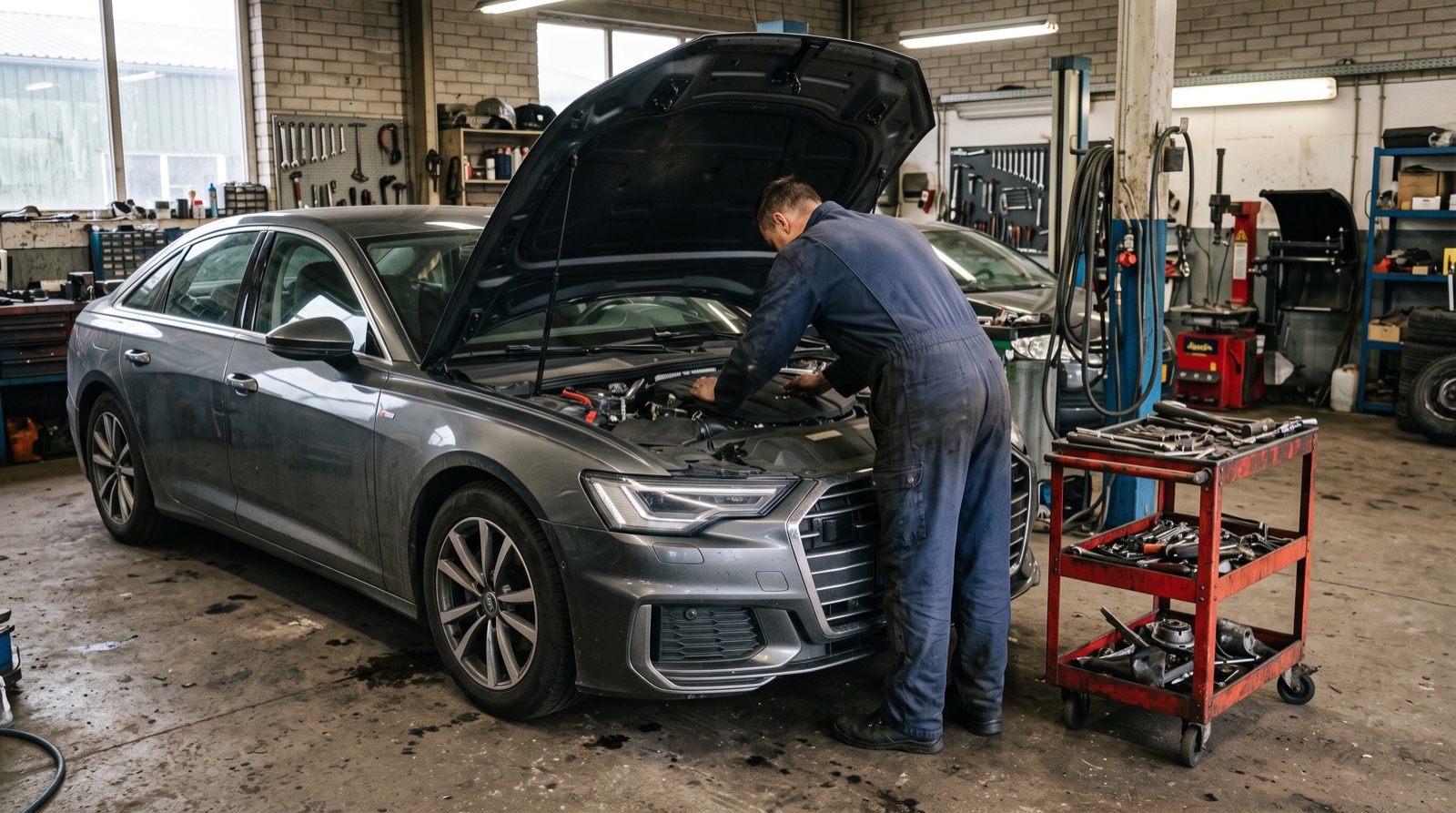
A website for a tradesperson that brings customers to you
Trades win work through word of mouth and through portals that take a cut. Your own site turns that around: the customer sees your work and writes to you alone. Here is what such a site needs and what it costs.

A restaurant website that makes people hungry
Most hospitality sites are a PDF menu on a white background. Here is the site we built for the concept restaurant Feu Noir — one that makes guests hungry before they reach the booking button.
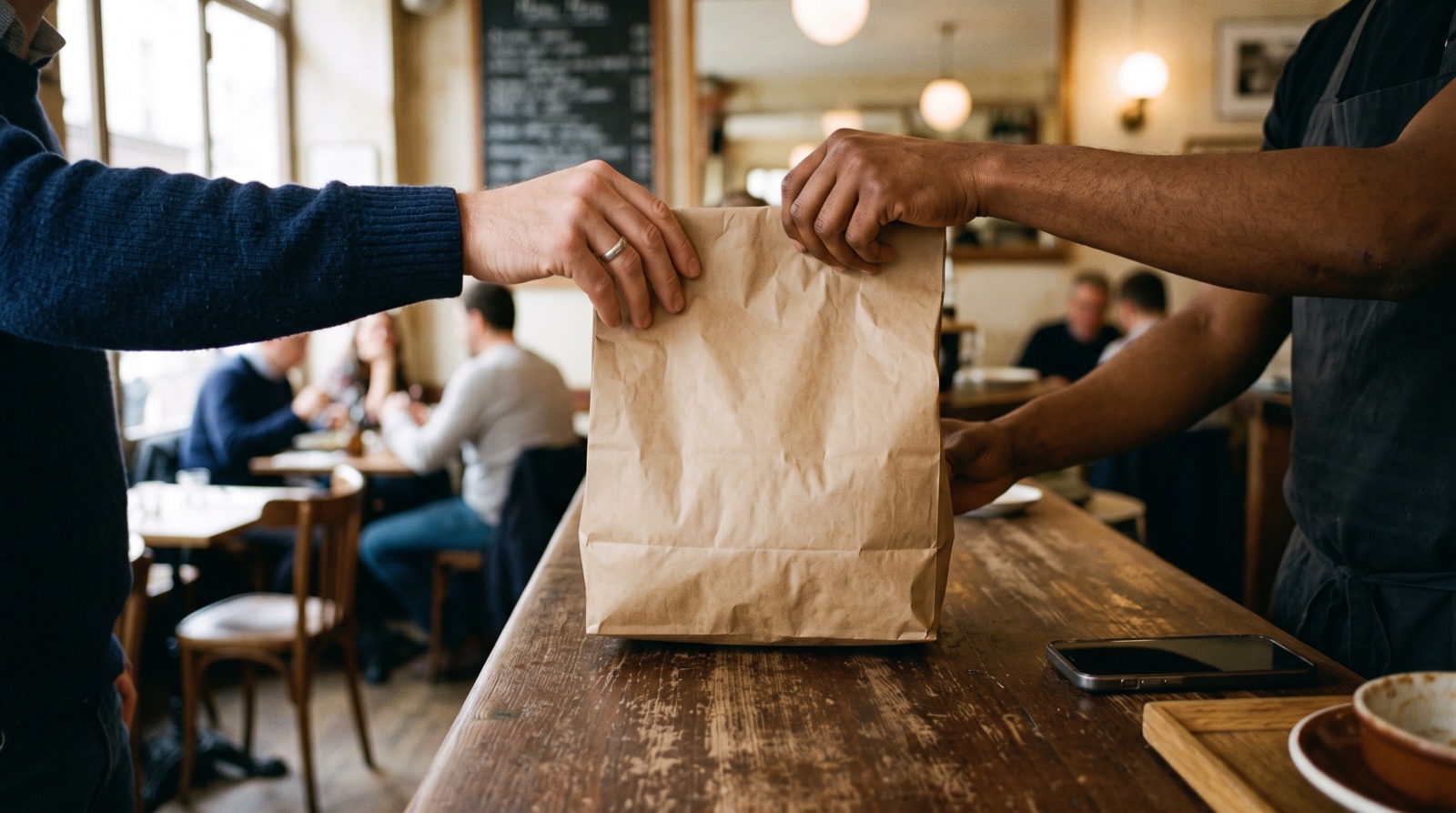
What Wolt and Glovo really cost you — and when your own system pays off
Delivery platforms bring customers and a new cost few people count to the end. We show exactly where the money goes and how your own ordering system keeps the margin with you.

A gym website that sells memberships
Gyms share one problem: the visitor cannot find the price, cannot see the rooms and does not know what they actually get. For Forma we built a site that answers all three in thirty seconds.
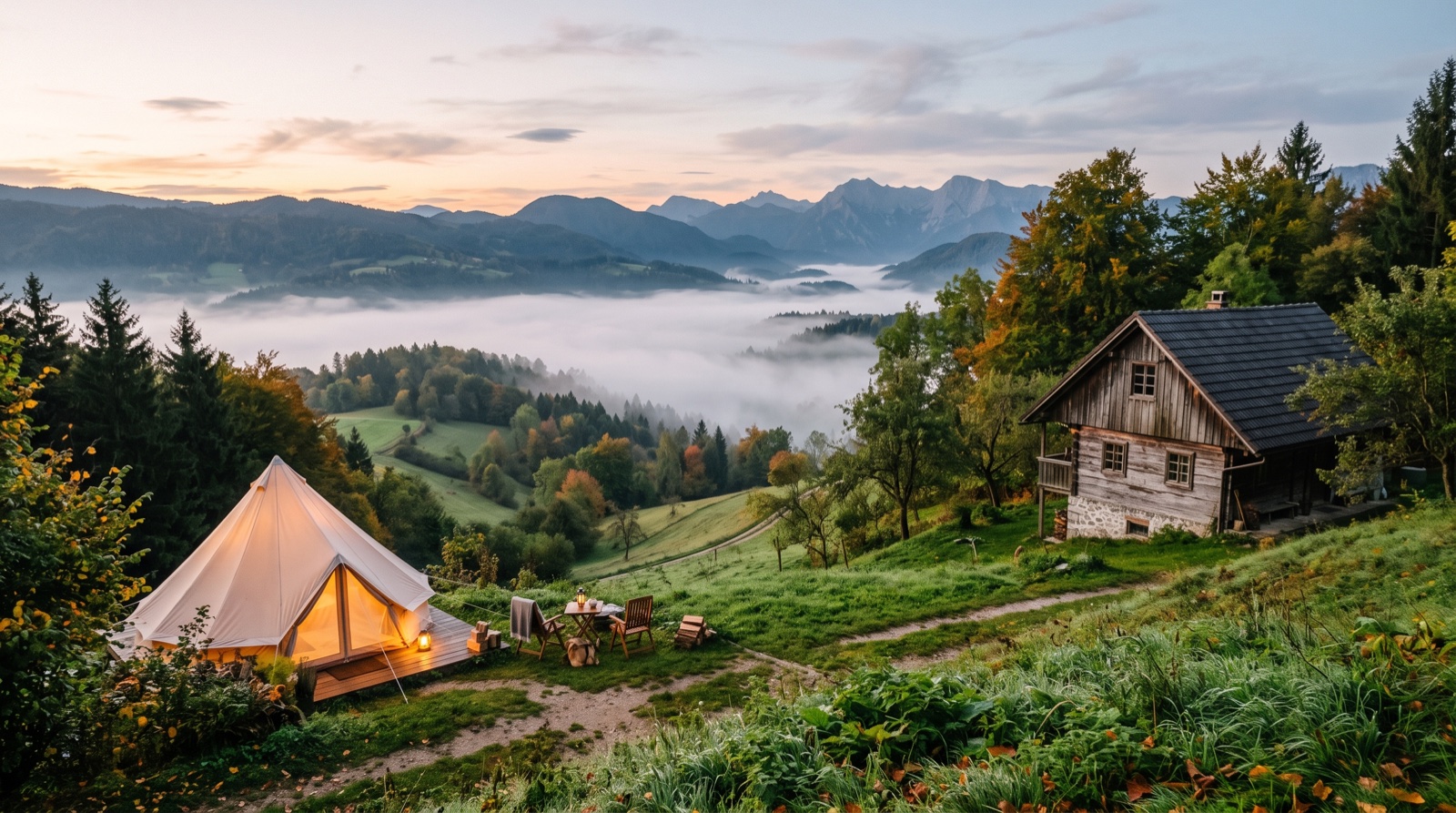
A website for a farm stay or glamping — without commission
Booking and Airbnb bring guests, but take 15–18 % of every night and keep the guest to themselves. Here is how your own site with direct booking keeps your regulars and the commission.

Website for an architecture studio: let the work speak
An architect does not sell words, they sell space. For Atelje Mora we built a site with almost no text — but with a slider that pulls the finished render out of a grey working model.

How much an online shop costs in 2026
Quotes for an online shop run from €500 to €15,000. The gap is not greed, it is the processes a quote quietly leaves out. Here is the breakdown, without the marketing fog.

An estate agency website that does not look like a classifieds board
Property websites are usually tables of tiny photographs. For Kvart we built the opposite: big pictures, clear prices and filtering that happens at once, with no page reload.
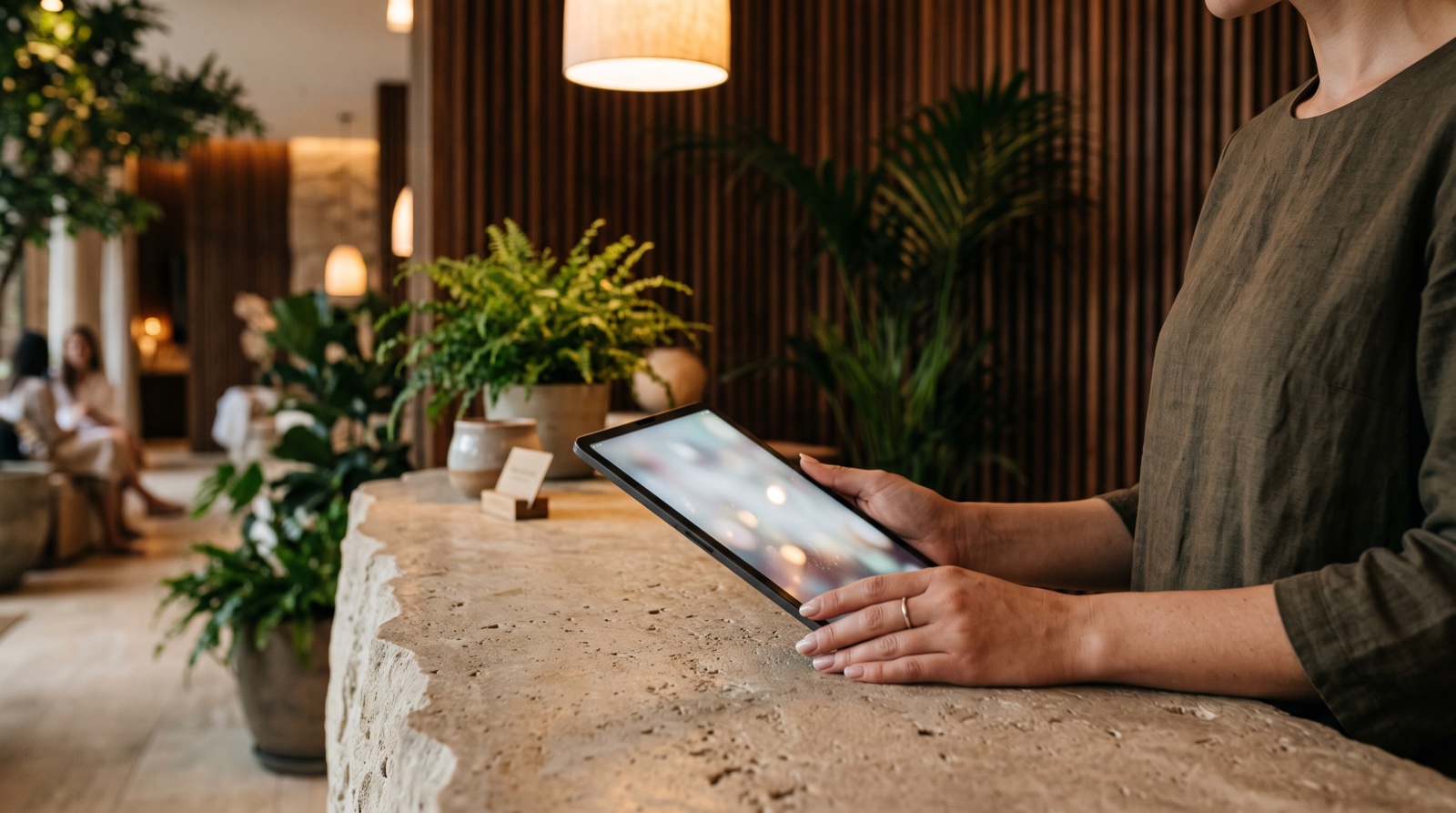
Booking system: custom or off the shelf?
There are plenty of off-the-shelf booking tools and for many businesses they are the right choice. The question is not custom or ready-made, but when each road pays off. Here is the honest breakdown.

How much a website costs in 2026
Saying it depends helps nobody. So we have broken down what you actually get in each price bracket, where the costs a quote never mentions are hiding, and when a cheap site is the right call.

From spreadsheets to a real database: when five people edit at once
Every company reaches this point: the spreadsheet has outgrown itself. Here is how we turn it into one clean database — with nothing lost and no weeks of downtime.

How an app gets into the App Store — the VoiceInbox case
VoiceInbox is our own product: a voice-first email client for iPhone. We went through the whole process ourselves, from the first line of code to Apple’s green tick. Here is what it actually takes.

A hotel website that sells without the middleman
Every booking through an intermediary costs a hotel 15 to 25 per cent of the room rate. Here is what a hotel site needs so guests book directly with you — shown on Hotel Aurelia.

A spa and wellness website that calms first, sells second
Wellness sells a feeling, not a list of treatments. For the thermal spa Stilla we built a site that slows everything down — yet shows the entry price at once and takes bookings without a call.

An online shop for coffee: selling a taste the buyer cannot try
A roastery sells a product the buyer never sees or tastes. All that is left is the bag and the words. Using the Aroma roastery we break down what a shop needs so the customer buys a second time.

A car dealership website that does not look like a classifieds board
Your buyer has already seen the car on a classifieds portal. They come to your site to check whether you are worth trusting. Veloce shows how to build that trust, and how to separate sales from rental.

Website for a fashion brand: an image that ends in a purchase
A fashion brand has two options online: a catalogue or an image. The first competes with Zalando and loses. For the Vesna collection we built the second — a site closer to a magazine than to a shop.

A personal website for an athlete is sales material
A social post is gone in a day, and the sponsor has nothing to show their own management. For motocross rider Forty-Five we built a site with two audiences — and the second one is what makes it pay.
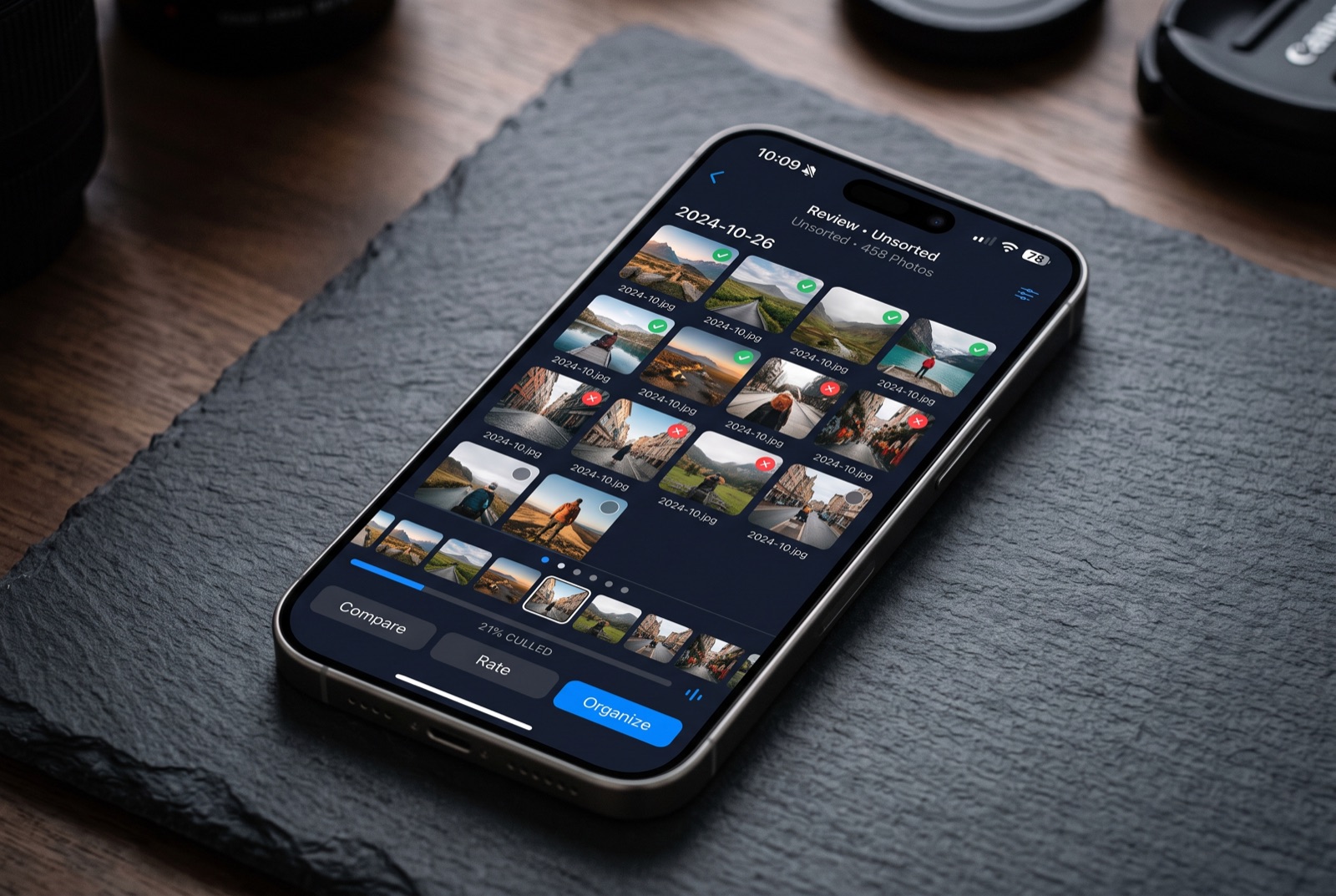
Cullbox: making a cull of 3,000 photos bearable
A wedding photographer comes home with 3,000 frames and the client sees 300. In between sits the most tedious job in the profession. Here is how we are solving it — and why it is harder than it looks.
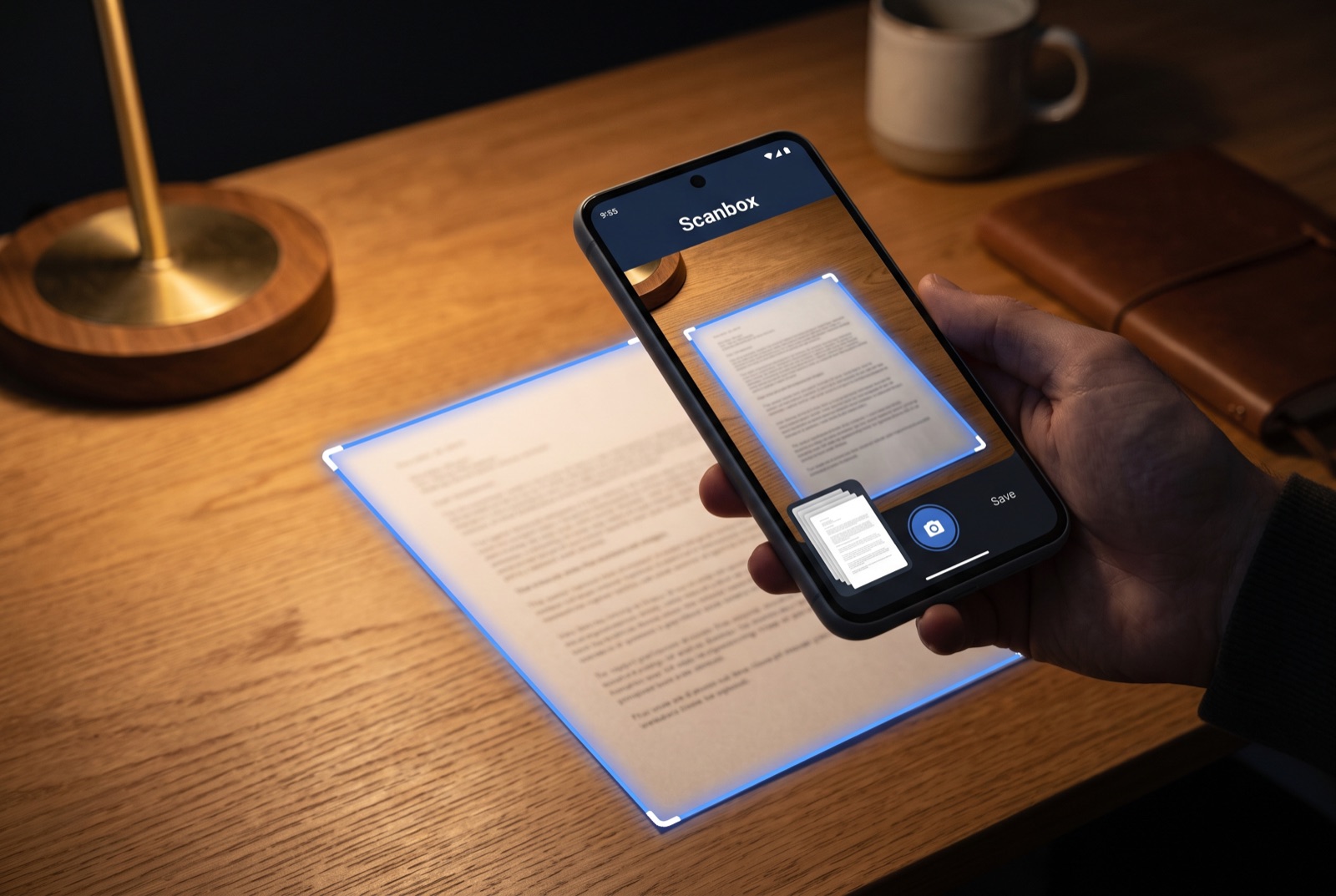
Scanbox: document scanning that does not end at IMG_4471.jpg
Every phone can scan today. Almost none of them solves what follows — names, folders, search by content. Here is what we are building, and why all of it runs on the device itself.